THE ETRUSCANS ARE US
Culture, Rights & Responsabilities
(Public archeology project within the TAP: Tuscania Archaeological Project)
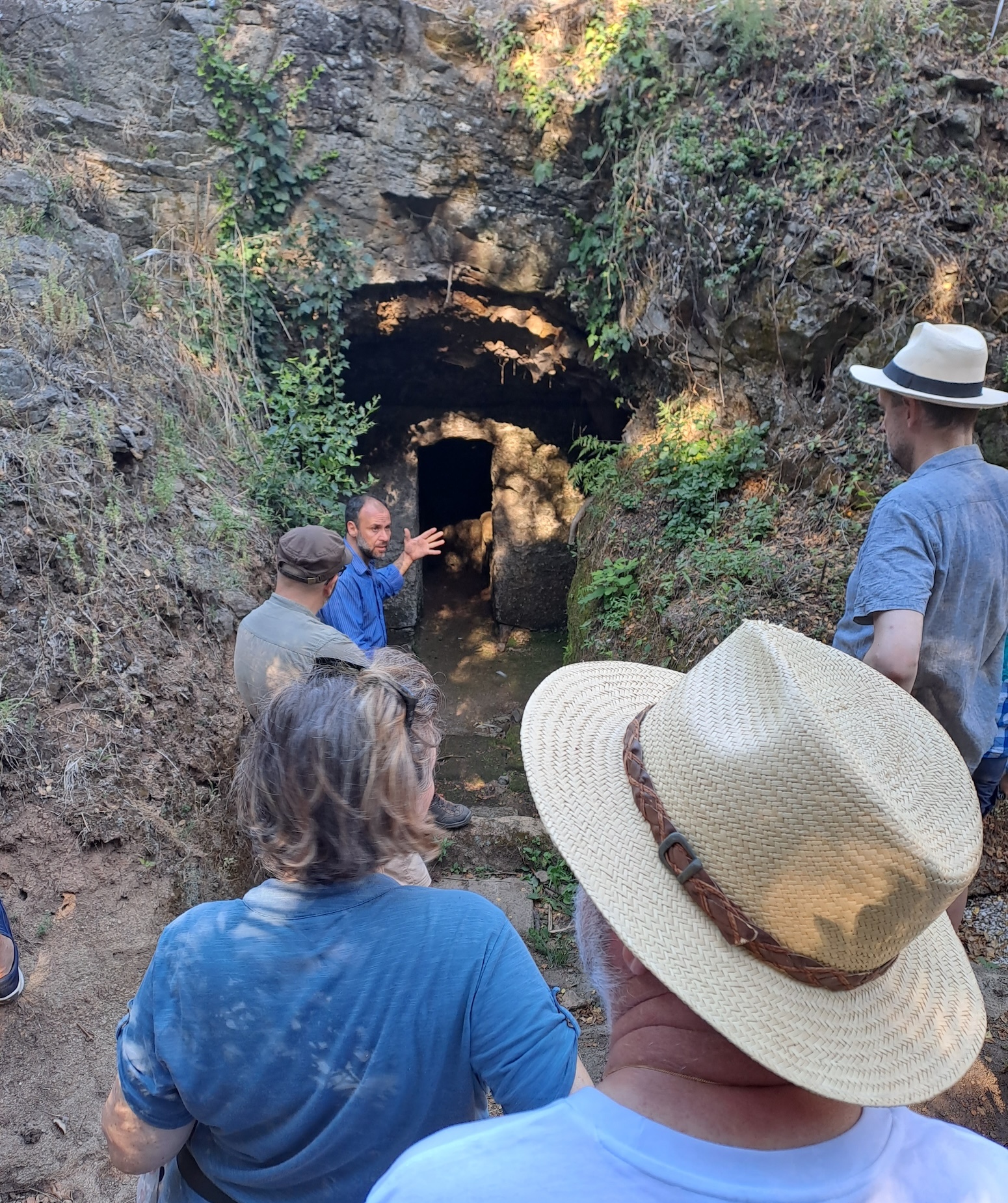
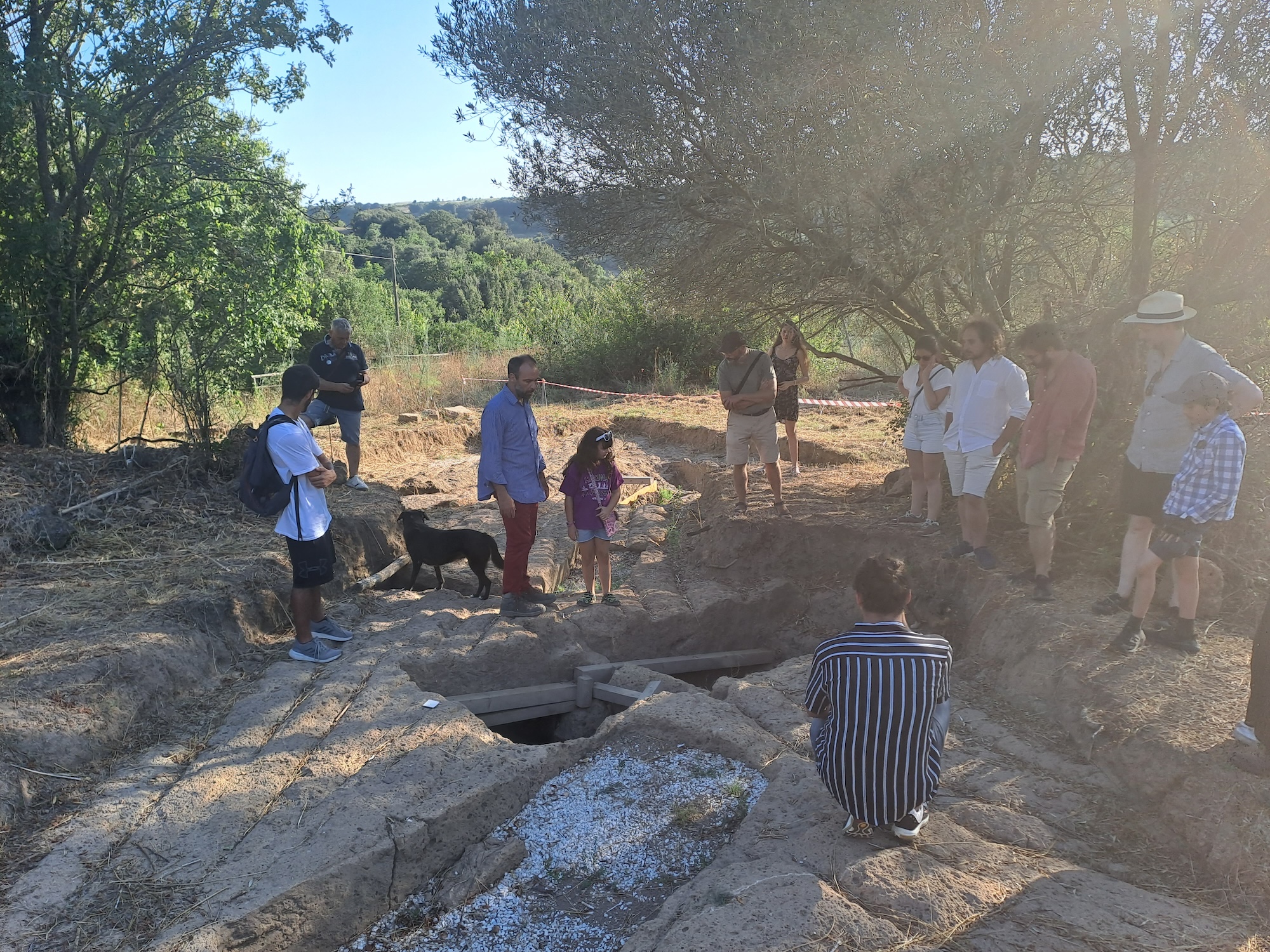
‘The Etruscans are Us: Culture, Rights, and Responsibilities’ is a CAMNES public and community archaeology project promoted as part of the TAP Tuscania Archaeological Project at the Sasso Pinzuto Necropolis in Tuscania under the scientific direction of Prof. Alessandro Naso in collaboration with the University of Naples Federico II. The archaeological excavations are under concession from the Ministry of Culture, in agreement with the Superintendence of Archaeology, Fine Arts, and Landscape for the province of Viterbo and Southern Etruria, and with the support of Lorenzo Caponetti's farm, owner of the land on which the necropolis is located.

The project, developed in partnership with the UNESCO Chair on Illicit Trafficking of Cultural Heritage and Cultural Rights at the University of Siena, sees young students from the liceo scientifico Paolo Savi in Tuscania as active participants in raising awareness among local communities about the value of their cultural heritage and the need to protect it from illicit activities. The project also benefits from the valuable collaboration of the Municipality of Tuscania, the Carabinieri – Tuscania Company Command, the National Archaeological Museum of Tuscania – Lazio Regional Directorate of National Museums, the AssoTuscania Association, and the Vincenzo Campanari Association.
Through a series of interconnected activities, the project pursues three main objectives, bringing Tuscania's cultural heritage to the forefront of its citizens' attention:
 
- EDUCATION: educating young Tuscanians about the value of their cultural heritage and the need to protect it from illicit activities;

- AWARENESS: raising awareness among local communities of the value of their cultural heritage and the shared responsibility for its protection;

- PARTICIPATION: enhancement and promotion of Tuscania's cultural, historical, and archaeological heritage through active participatory processes.
 
All objectives are transversally interconnected and united by the single common denominator of active participation by local communities in cultural processes, to gradually guide them towards a greater awareness and a sense of belonging to their heritage communities, as envisaged by the 2005 Faro Convention, recognizing the value of their local cultural heritage as a common good, contributing to its protection, and being committed to transmitting its contents to future generations – all processes that effectively contribute to increasing individual and collective well-being, as recognized by the World Health Organization.
 

Copyright © 2010-2026 CAMNES. All rights reserved  |  

Privacy Policy  |  

Cookie Policy