Public Archaeology Project within the CAMNES Archaeological Project in Iraqi Kurdistan (CAPIK)
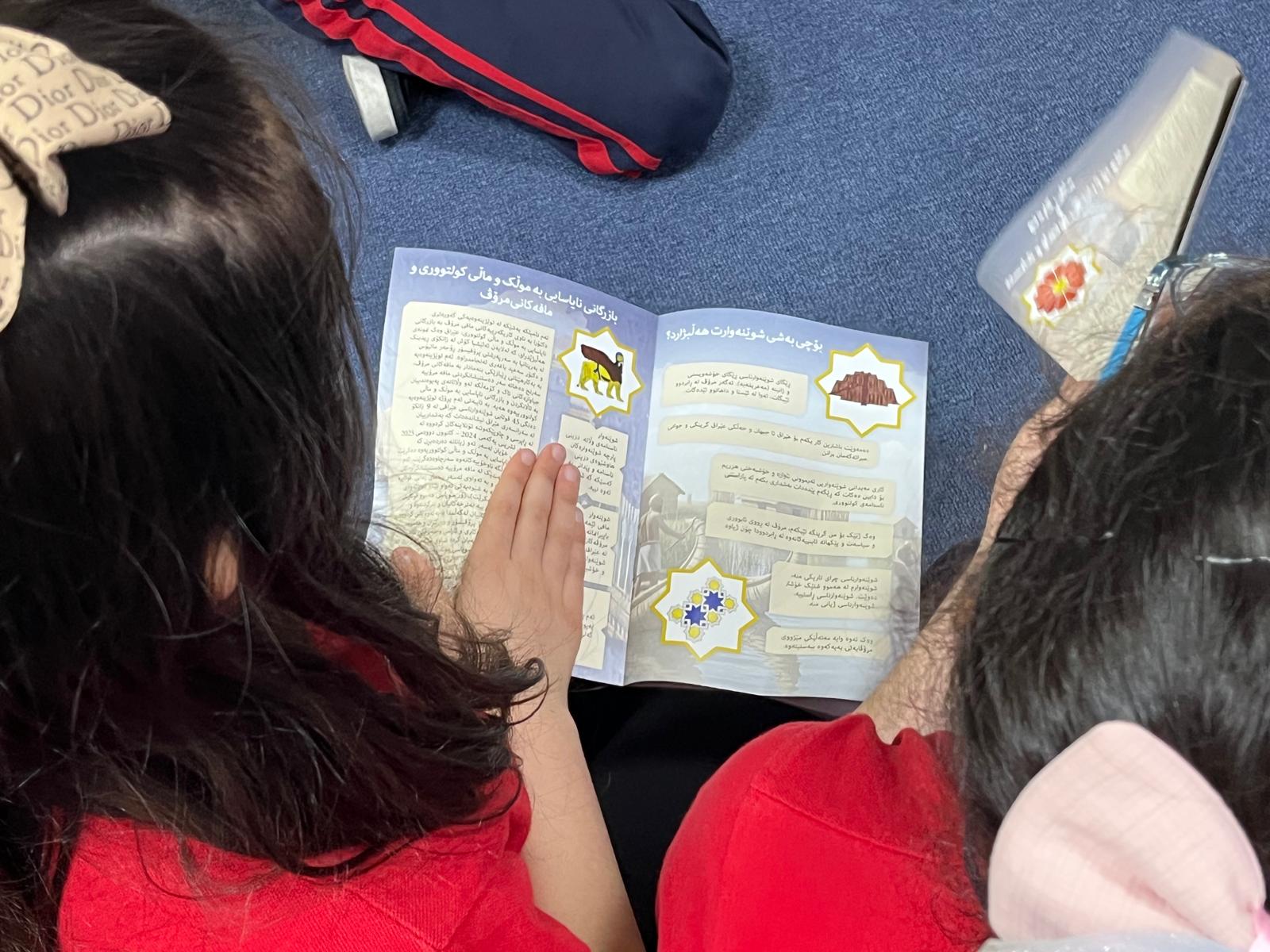
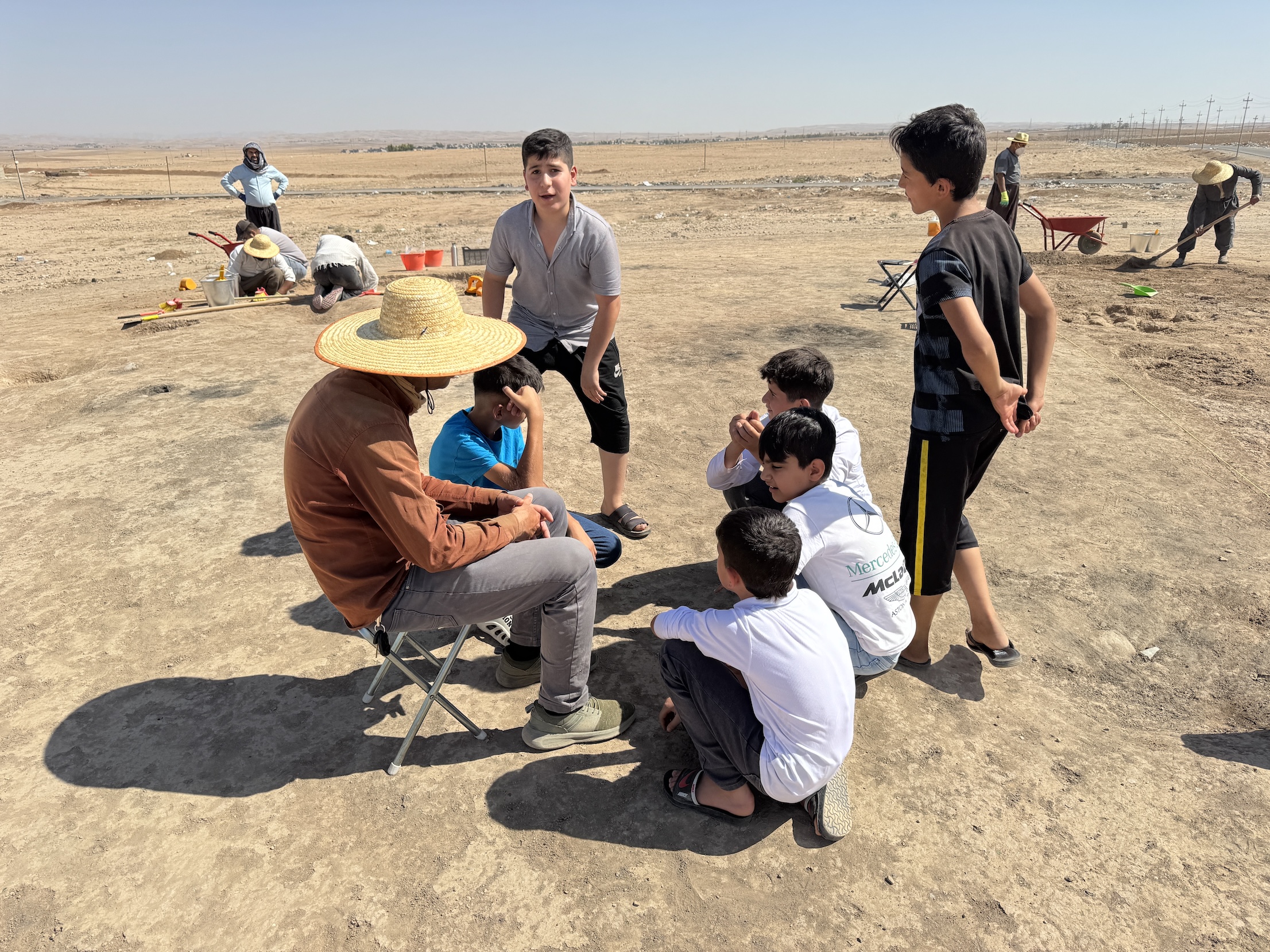
The ‘Gird-i Ali Mawlan: Our Right, Our Duty’ is a public and community archaeology project of the CAMNES Archaeological Project in Iraqi Kurdistan (CAPIK) in collaboration with the UNESCO Chair in Illicit Trafficking in Cultural Property and Cultural Rights at the University of Siena (Chairholder Dr Alesia Koush, the Project Lead). Primarily, the project aspires at converting the Gird-i Ali Mawlan site into a small-scale territorial hub employing archaeological heritage as a catalyzer of empowerment for local communities, capacity-building for University students of archaeology and raising awareness among the local communities of Erbil Daretu district (where the Gird-i Ali Mawlan site is located) of the presence of an archaeological heritage in their neighborhood. Advancing rights-based sustainable economic, social, cultural and educational development, the project aspires to stimulate gradual transformation of local communities from unaware citizens or perpetrators of archaeological looting towards the site's first custodians and protectors. More specifically, the project develops along several phases and envisages multiple tailor-made activities, such as empirical data collection, education & awareness-raising activities, installation of information panel, launch of a self-sustaining locally-run small young-people ‘Archaeological enterprise’, etc), all converging towards the same common denominator: creating a model of rights-based empowerment of local communities living around an archaeological site through active participatory and consultation processes. Creating collaborative synergies among multiple layers of stakeholders and microcommunities within a supportive institutional framework, the project foresees the cooperation with General Directorate of Antiquities and Heritage of Kurdistan Region, Ministry of Education, Municipalities of Erbil and Daretu district, Salahaddin University of Erbil and its Department of Archaeology, Daretu district schools, as well as NGOs, local private sector, entrepreneurs, volunteer and young people organizations.
MAIN OBJECTIVES:
CAPACITY-BUILDING: rights-based local communities’ empowerment through active participatory and consultation processes
EDUCATION & DISSEMINATION: advancing the enhancement and development of dedicated specialized education and training activities at university, school & local communities levels;
COMMUNITY ENGAGEMENT: converting the Al-Mawlan site into a small-scale territorial hub employing archaeological heritage as a catalyzer of human rights and source of empowerment of local communities;
RESEARCH: conceiving and developing a model of rights-based empowerment of local communities
COOPERATION: promoting effective horizontal cooperation among multiple local stakeholders within a supportive institutional framework fostering cooperative synergies between authorities, educational sector, private enterprises, volunteer organizations and other stakeholders.